
Most of the older buildings in Wollongong should be expected to have asbestos-containing materials (ACMs) present, and as a householder or owner of a building here, you are right to be concerned about the health risks!
This article explains the serious health risks of airborne asbestos. Read on to learn about the different types of asbestos and what the risks are for you and your family. We also walk you through the entire asbestos removal process so you know what to expect with Asbestos Removal Wollongong.
History of Asbestos in Wollongong Buildings
Understanding the history of asbestos in building materials will help you to identify the risks in your home.
When Was Asbestos Used in Australian Construction?
- Asbestos was seen as a miracle product, being cost-effective, fire-resistant, strong and durable
- The effects on health sometimes aren’t apparent for decades, but when it was realised how dangerous it could be, asbestos manufacturing was banned in Australia in 1983
- A total prohibition of the supply and installation of asbestos from 31 December 2003
- Wollongong buildings constructed during the construction boom years up to the 1980s are most likely to have ACMs present
Common Asbestos-Containing Materials in Wollongong Properties
Some of the ways asbestos may be present in your home or building:
- Fibro cement sheets
- Roofing materials and flooring tiles, including vinyl backing
- Wallboard and internal linings
- Insulation materials
Why Older Buildings Pose Greater Risks
- Even the supposedly ‘safer’ bonded asbestos deteriorates as it ages
- Wollongong’s coastal weather, particularly strong winds, can also speed up asbestos degradation
- Renovation projects in older buildings built before the 1980s may have released asbestos fibres into the air, especially during DIY work.
What Are the Health Risks of Asbestos Exposure?
The greatest danger to human health arises when asbestos fibres become airborne.
How Does Asbestos Affect Human Health?
- Asbestos fibres become airborne when the material is disturbed, often by drilling and during renovation work, or deteriorates over time
- The fibres lodge in lung tissue when inhaled
- There is no safe level of asbestos exposure
Asbestos-Related Diseases
Health issues often don’t appear for decades after asbestos inhalation. If not discovered early and removed, asbestos fibres in the lungs can cause difficulty breathing and cancer, which can lead to death.
Typical asbestos-related diseases are:
- Asbestosis (lung scarring)
- Mesothelioma (aggressive cancer)
- Lung cancer
- Pleural diseases
Who Is Most at Risk?
Those working on a property are most likely to agitate any ACMs and instantly be at risk of inhaling fibres. However, once friable asbestos fibres become airborne, anybody living or working within the building is at risk of serious health problems. If in doubt, a professional assessment of the property is essential.
Wollongong people at risk of inhaling asbestos include:
- Tradespeople and renovation workers, or property owners conducting DIY work
- Occupants of deteriorating buildings, whether they live there or work in an at-risk building
- Demolition and construction workers
Types of Asbestos Found in NSW Properties
There are six types of natural asbestos minerals, but after use in construction, asbestos is usually classified as friable or non-friable.
Friable Asbestos
Friable asbestos is the most dangerous. It can be disturbed and crumbled by hand, and easily releases fibres into the air.
Often used as a spray-on fire retardant or for insulation around pipes.
Non-Friable Asbestos
Non-friable, or ‘bonded’ asbestos, is often found mixed with cement or other materials. Used in ceilings, walls and roof sheets, bonded asbestos can be left in place. If it gets damaged or degrades over time, however, it can become friable, releasing dangerous fibres into the air.
The Asbestos Removal Process in NSW
In NSW, we have strict licensing requirements governing asbestos removal, with heavy penalties for non-compliance.
Legal Requirements in NSW
Work Health and Safety Regulation 2017 aims to protect the health and safety of workers and others at NSW workplaces with rules on the personnel authorised to handle asbestos:
- Class A licence required for friable asbestos removal
- Class B licence required for non-friable asbestos over 10 square metres
- Note that it is recommended any asbestos handling is only ever carried out by experts.
- Mandatory notification to SafeWork NSW before work begins
Assessment and Planning
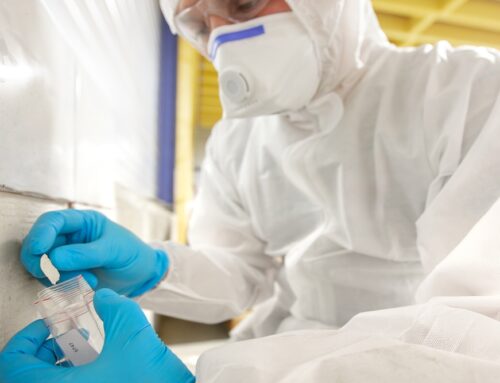
- A trained and licensed professional surveys the building
- Material suspected to be, or contain, asbestos is placed in sealed containers for testing at an accredited laboratory
- When the test results are known, then a removal plan may be developed
- Air monitoring is sometimes used for suspected dangerous areas
Safe Removal
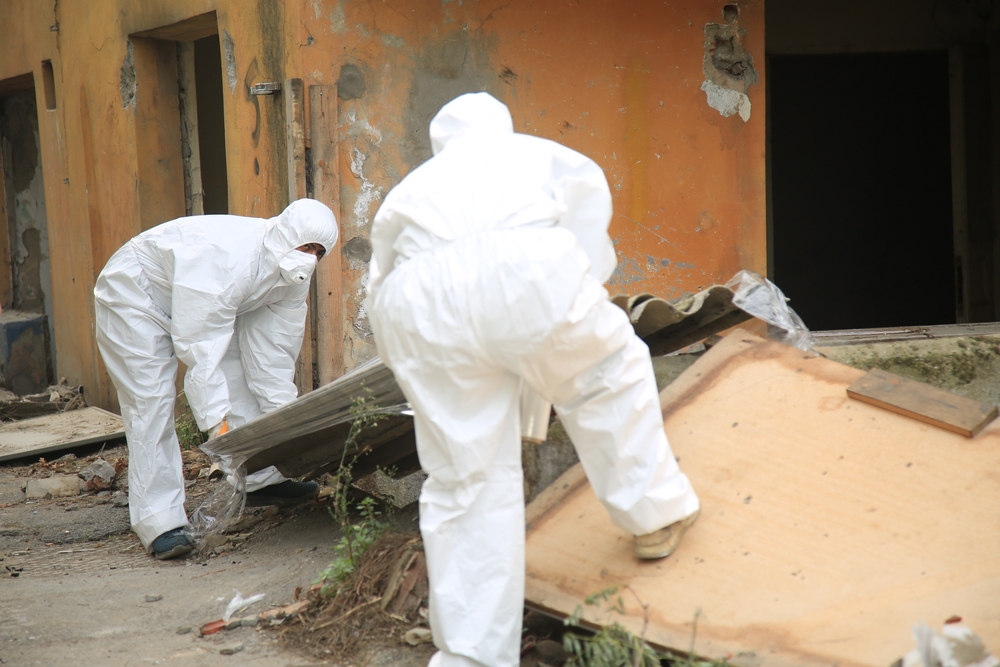
- The infected area is sealed
- Workers must have personal protective equipment (PPE)
- Water sprays are used for dust suppression
- Specialised tools and techniques to minimise disturbance
- For friable asbestos removal the team may set up a controlled environment with negative air pressure
Waste Disposal
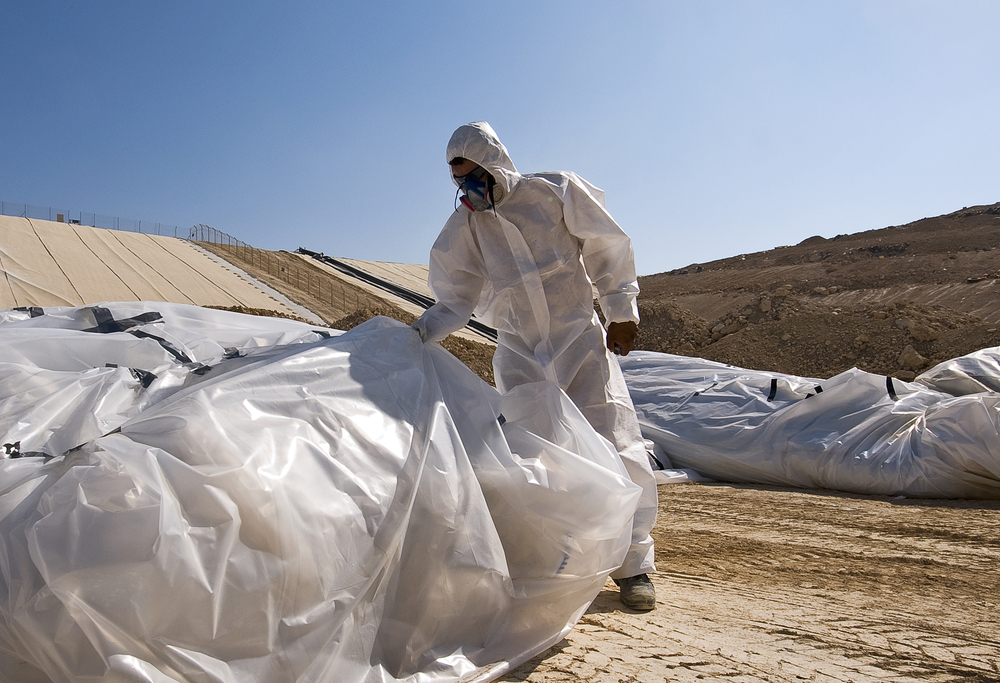
- Asbestos waste is tightly sealed in containers
- The waste is transported to designated disposal sites
- Documentation is prepared to confirm compliance with NSW regulations
Post-Removal Clearance
- The air quality is testing before any non-professionals are allowed back into an affected area
- A visual inspection ensures the site is safe
- A Clearance certificate is issued to confirm the area may be safely reoccupied
Protecting Your Property and Health
You are encouraged to get a professional assessment if you think you may have asbestos on your property.
At Wollongong Asbestos Removal, we are proud to be the trusted local experts. When you have us handle your asbestos removal, you can be confident in a safe, efficient job, all in compliance with NSW regulations.
Contact us today to discuss your concerns and arrange a site visit to get your free quote.





Leave A Comment