

Many properties across Wollongong and its suburbs, including Shellharbour, Dapto, Kiama, and Helensburgh, were built during Australia’s post-war building boom, when asbestos-containing materials (ACMs) were widely used in construction.
Wollongong demolition services are essential in a thriving area, enabling growth, development and redevelopment. Discover the full range of demolition Wollongong, including residential and commercial demolition, partial demolition, and soil remediation to make contaminated land safe for reuse.
What Do Demolition Services Wollongong Actually Cover?
Many people assume demolition means simply knocking down a building. These days, this is a multi-disciplinary trade, with modern demolition contractors offering services, including:
- Full demolition of buildings and structures vs partial/selective demolition
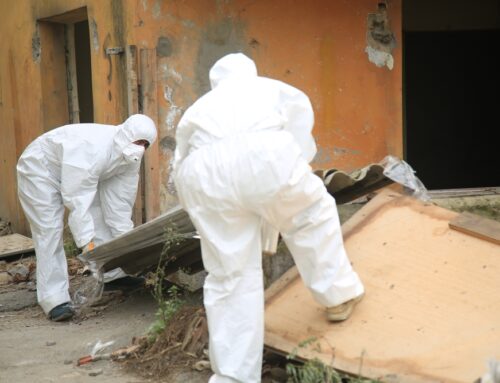
- Safe asbestos identification, removal and disposal
- Waste management and Site clearance
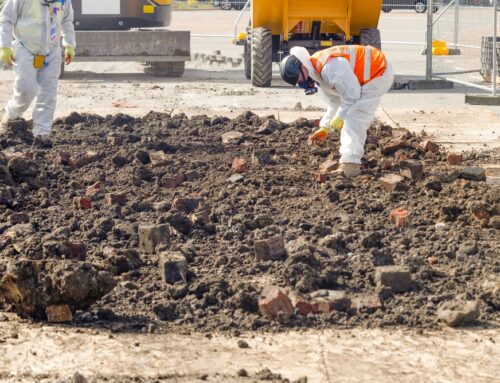
- Soil remediation, often on Wollongong’s previously industrial sites
- Obtaining local council approvals and SafeWork NSW compliance
Residential Demolition
A Wollongong demolition begins with a site inspection and hazardous material assessment
What to expect during a residential demolition project:
- Disconnection of services and utilities prior to works commencing
- Possible local traffic controls to enable site access for heavy machinery and trucks
- Site secured by fencing and warning signs
- Waste sorted for recycling or disposal
- The site is left ready for your next project
Commercial and Industrial Demolition
Commercial and industrial demolition has different challenges from residential work. Larger footprints, more complex structures, continued productivity for surrounding businesses, and stricter regulatory requirements all come into play.
- The demolition of warehouses, factories, and retail spaces
- Create minimal disruption to adjacent businesses and public areas
- An inspection and structural engineering assessments take place before work begins
- There can be environmental obligations specific to industrial sites in Wollongong’s Port Kembla area and surrounds
- Plant and equipment are decommissioned before demolition begins
Partial Demolition
Not all demolition projects involve a complete teardown. Partial demolition, also called selective demolition or strip-out, is common in renovation and extension projects.
Partial demolition is worth exploring, given the number of older homes across the Wollongong region undergoing renovation
- Interior strip-outs for renovation projects
- The removal of specific structural elements, such as walls, roofs, or extensions
- Maintaining the shell of the building
- Note that partial demolition in older homes can require asbestos testing for safety.
Site Clearance: Preparing the Land After Demolition
When demolition of a building is complete, the site still needs work before construction can begin:
- The removal of demolition debris and rubble
- Waste is sorted during the demolition to enable the recycling of waste materials where possible
- Often, this involves removing underground features such as old foundations, tanks, and pipes
- The land is graded and levelled
- All work completed in compliance with Wollongong City Council requirements for land preparation.
Soil Remediation: When the Ground Needs Attention
Soil contamination is more common than many property owners realise, especially in Wollongong’s industrial and port areas.
- What is soil contamination?
- Common causes include asbestos, hydrocarbons, and heavy metals
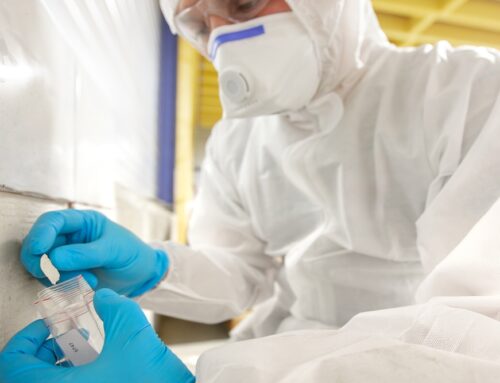
- How soil testing involves the collection of soil samples for analysis at registered laboratories
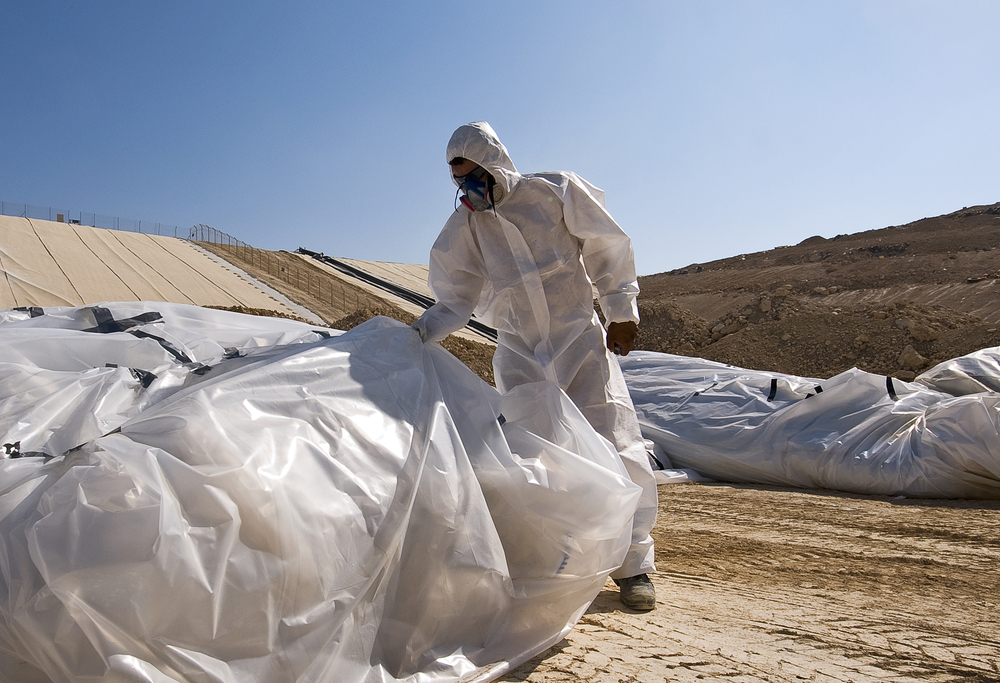
- Remediation methods may include excavation and removal, bioremediation, and chemical treatment
- This type of work has regulatory obligations under NSW EPA guidelines
Asbestos Removal in Wollongong: What Property Owners Must Know
Wollongong’s post-war residential and industrial growth means many properties have asbestos-containing materials (ACMs).
- Properties built before 2003 are most likely to contain ACMs
- Asbestos was used in roofing, wall sheeting, eaves, flooring, and pipe insulation
- Undisturbed, bonded or non-friable asbestos poses minimal risk unless it is disturbed or damaged, when it can become hazardous
- Fibres from crumbly, friable asbestos easily become airborne and inhaled, posing serious risks to health, including:
- Mesothelioma: affects the lining of the lungs and abdomen
- Asbestosis: breathing issues and scarring of the lung tissue caused by prolonged fibre inhalation
- Lung cancer: a recognised consequence of long-term asbestos exposure. Smokers are particularly susceptible
- Symptoms often don’t appear for decades after initial exposure
- No safe level of asbestos fibre inhalation has been established
How Professional Asbestos Removal Works
So you know what to expect, the phases of our asbestos process are:
- Initial site inspection and hazardous material assessment
- Preparation of an Asbestos Removal Plan and Safe Work Method Statement
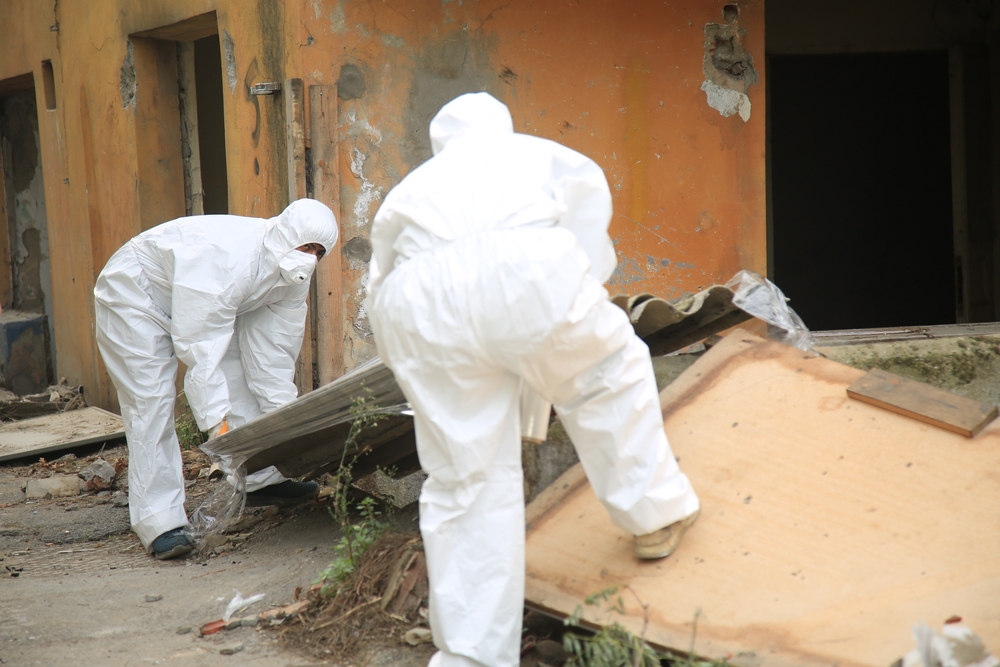
- Use of personal protective equipment (PPE) by licensed professionals
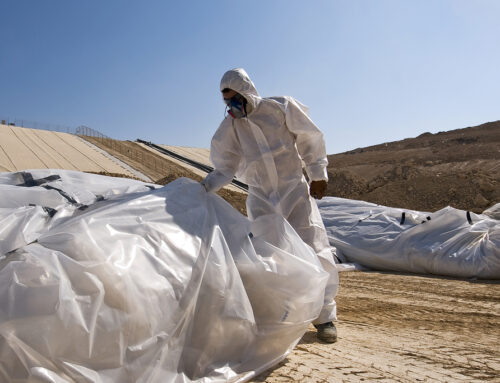
- Safe removal, packaging, and transport of asbestos waste to licensed disposal facilities
- Post-removal air monitoring and clearance certificate
- All work is completed in compliance with SafeWork NSW requirements
Permits and Approvals: Getting the Paperwork Right
A common point of confusion for property owners is understanding which approvals are needed before demolition can begin. Your demolition team will understand the current requirements and will guide you through the process.
Approvals for Demolition Work
- A Complying Development Certificate (CDC) is the fast-track approval for standard demolition projects.
- A Development Application (DA) is required for heritage-listed properties or sites in conservation areas
- Both require submission through the NSW Planning Portal
- Heritage properties in Wollongong’s older precincts may face stricter assessment
What Documents Are Typically Required?
Here’s a checklist of what should generally be submitted for a demolition application.
- Demolition work plan and waste management plan
- Asbestos assessment report (where ACMs are present or suspected)
- Structural engineer’s report if the application is for a partial demolition
- Heritage impact statement (if applicable)
- Neighbour notification documentation
SafeWork NSW Licensing Requirements for Asbestos Removal
Many property owners do not realise that asbestos removal is a licensed trade under NSW law.
Suggested bullet points:
- A professional with a Class A licence is required for the removal of any amount of friable asbestos
- Class B licence-holders can handle non-friable (bonded) asbestos removal
- Unlicensed removal of non-friable asbestos is only permissible for areas under 10 square metres, but professional engagement is always recommended
- There are legal penalties for any unlicensed asbestos removal work in NSW
Professional Demolition Services in Wollongong
Meet the Wollongong demolition services outfit that the locals prefer. At Wollongong Asbestos Removal, we service Wollongong and surrounding suburbs, including Shellharbour, Kiama, Dapto, Helensburgh, and the Illawarra region.
We are fully licenced and insured, and we have a reputation for safe, efficient work, all in compliance with SafeWork NSW rules.
Our range of services includes residential demolition, commercial demolition, partial demolition, asbestos removal, site clearance, and soil remediation.
Visit our Demolition Services Wollongong page to discover how we can deliver a great job plus peace of mind.




Leave A Comment