
If your home was built or renovated before 1990, there is a good chance it contains asbestos. In Wollongong and the wider Illawarra region, that is simply the reality of how homes were built during that era.
The good news is that asbestos in good condition and left undisturbed is generally low risk. The problem starts when it is damaged, disturbed, or removed incorrectly.
This guide covers everything you need to know about Safe Asbestos Removal Wollongong to keep you and your family safe and healthy:
- Where asbestos is found in local homes
- What the NSW rules actually say
- How asbestos removal and disposal works in the Illawarra
- How to choose a safe, proven, dependable contractor
Read on to learn how to ensure your family is safe.
The Illawarra Legacy: Is Your Wollongong Home at Risk?
Wollongong and its surrounding suburbs enjoyed a housing boom between the 1940s and 1980s. During that period, asbestos was a very common building material for affordable residential construction. It was cheap, easy to work with, and widely available.
Many of those original homes are still standing today, meaning the asbestos-containing materials (ACMs) installed in them decades ago remain.
Where Is Asbestos Typically Found in a Wollongong Home?
Asbestos was used in more places than most people realise. In a typical older Wollongong home, you are likely to find ACMs in one or more of the following locations:
- Eaves, fascias, and soffits
- Bathroom and laundry wall linings
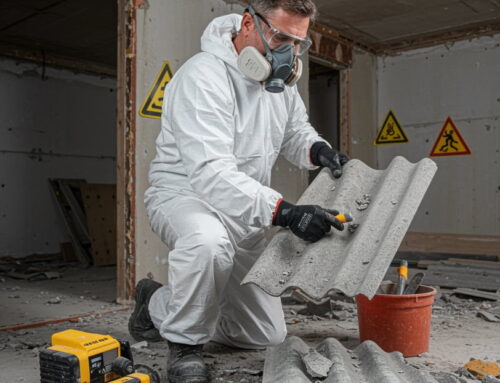
- Roofing sheets, fences and boundary sheeting
- Floor tiles
- Internal walls and ceilings
- Insulation around pipes, hot water systems, or flues
What Is the 10m² Rule in NSW?
The 10m² rule in NSW is the rule used to determine when only professionals may handle asbestos.
According to the NSW Work Health and Safety Regulation 2017, a homeowner may remove less than 10 square metres of bonded asbestos from their home. Beyond that threshold, or for any quantity of friable asbestos, a licensed asbestos removalist must be engaged.
Legal vs. Safe: Why These Are Not the Same Thing
Knowing what is legal and knowing what is safe are two different things. Asbestos fibres can’t be seen when they are airborne. If you or your family inhale these fibres, you are at risk of serious lung disease, sometimes with no symptoms for 20-4o years.
SafeWork NSW recommends using a licensed professional for any quantity of asbestos. Old, weathered, brittle fibro is far more likely to release fibres when disturbed than newer, well-maintained material.
The law sets a minimum standard, but your family’s safety deserves more than the minimum.
Why Hiring an Unlicensed Operator Is a Risk You Cannot Take
Unlicensed asbestos removal is one of the most common causes of preventable asbestos exposure in NSW. The financial savings DO NOT reflect the true cost to health.
The Long-Term Health Consequences of Asbestos Exposure
The symptoms of asbestos-related diseases, like lung cancer and asbestosis, often don’t appear for 20 to 40 years to after exposure. Any level of asbestos fibre inhalation can be fatal.
The people most at risk from poor asbestos removal are not always those doing the work. They are the children playing in the backyard, the neighbours next door, and the family living in the home for years afterwards.
Saving a few hundred dollars today is not worth a lifetime of health consequences for your family.
Illawarra Asbestos Disposal: Where Does the Waste Actually Go?
Asbestos disposal is often one of the most misunderstood parts of the removal process. Many homeowners don’t realise what “handling it” actually means. Here is how it works.
What You Cannot Do With Asbestos Waste
Asbestos waste is classified as a hazardous material under NSW EPA legislation. The following are illegal disposal methods:
- Placing asbestos in your general household (red lid) bin
- Placing asbestos in your recycling (yellow lid) bin
- Taking asbestos to a standard transfer station without prior approval and correct packaging
- Dumping asbestos on vacant land or in skip bins not approved for hazardous waste
Does Whytes Gully Accept Asbestos?
No. Whytes Gully (Wollongong Waste and Resource Recovery Park) does not accept asbestos waste through its standard drop-off facility.
For small quantities, the Illawarra Shoalhaven Joint Organisation (ISJO) occasionally offers a free asbestos collection programme for certain properties. This is not available for friable material, commercial quantities, or large renovation projects.
How Licensed Contractors Dispose of Asbestos Correctly
A licensed asbestos removal contractor follows a strict asbestos disposal process:
- All ACM is sealed and labelled with hazardous waste identification
- A unique waste tracking number is assigned for chain-of-custody documentation
- The waste is securely transported to an accredited landfill facility approved to accept asbestos
- Disposal records and tracking documentation are provided to the client on completion
How Do You Choose a Safe Asbestos Removal Contractor in Wollongong?
Not every contractor offering asbestos removal is qualified, licensed, or operating in compliance with the law. Here is your checklist to give you the peace of mind of booking a safe, professional asbestos contractor.
The Safe Operator Checklist
- Verify their licence: Ask for the contractor’s asbestos removal licence number and check it against the SafeWork NSW public register. A Class A licence covers both friable and non-friable removal. A Class B licence covers non-friable only.
- Request a written Asbestos Removal Control Plan: Licensed operators are legally required to prepare one before work begins. If a contractor cannot or will not provide one, avoid them
- Ask about air monitoring: For friable asbestos removal, NATA-accredited air monitoring is required during and after the work. For larger non-friable jobs, it is regarded as best practice
- Require an independent clearance certificate: On completion, a licensed asbestos assessor, a separate person from the one who did the removal, should conduct an inspection and issue documentation confirming the area is safe
- Get written disposal documentation: Ask for records confirming the material has been delivered to a licensed facility.
Red Flags to Watch For
Signs you may be dealing with a cowboy operator:
- An unusually low quote with no itemised scope of works
- Reluctant, or simply not able to provide a licence number or verify it online
- Vague answers about where the waste will go
- No written contract
If something feels off, trust that instinct. Asbestos removal is not an area where cutting corners is acceptable.
Frequently Asked Questions About Asbestos Removal in Wollongong
Can I remove asbestos from my Wollongong home myself?
Legally, you may remove up to 10m² of non-friable (bonded) asbestos from your own home without a licence. However, SafeWork NSW highly recommends you use a licensed professional for any quantity. Friable asbestos must always be removed by a Class A licensed contractor, regardless of the amount.
How do I know if my home contains asbestos?
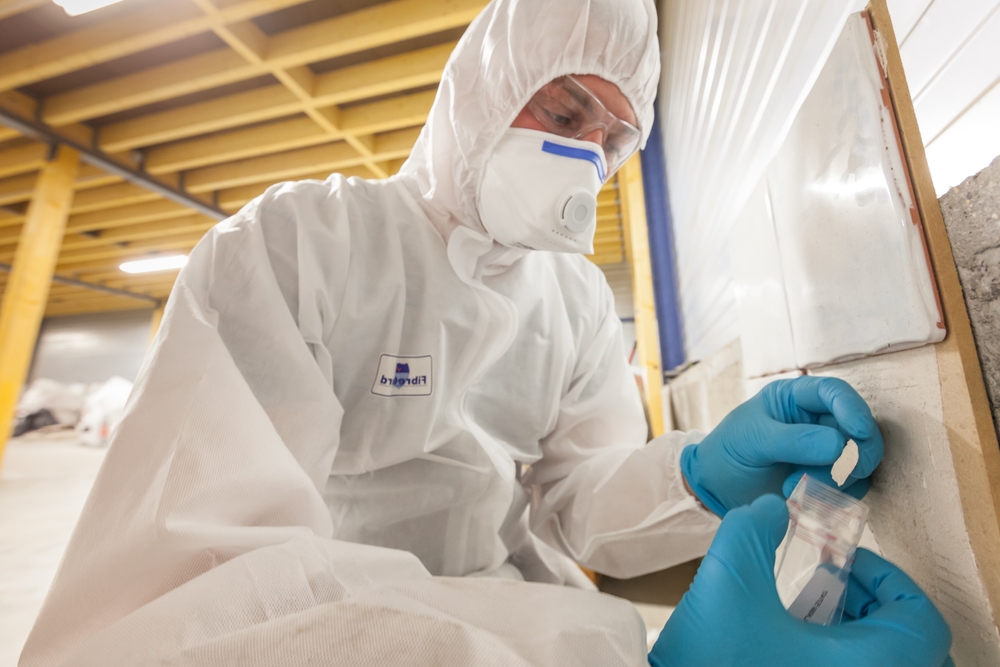
The only way to confirm whether a material contains asbestos is through laboratory testing of a sample collected by a qualified asbestos assessor. Do not attempt to collect samples yourself, disturbing the material can release dangerous fibres.
Does Whytes Gully accept asbestos waste?
No. Whytes Gully (Wollongong Waste and Resource Recovery Park) does not accept asbestos through its standard drop-off facility. Licensed removal contractors use EPA-accredited landfill facilities with complete waste-tracking documentation.
What is the difference between friable and non-friable asbestos?
Non-friable (bonded) asbestos is bound within a solid material. It presents a lower risk when undisturbed. Friable asbestos is easily crumbled and becomes airborne, presenting the highest risk. Friable asbestos must only be removed by a Class A licensed contractor.
What is a clearance certificate and do I need one?
A clearance certificate confirms that a site is safe following removal. It is a legal requirement for friable asbestos removal and strongly recommended for all removal work. Without one, you have no documented proof that the area is safe, which can affect future property sales, insurance claims, and peace of mind.
How long does asbestos removal take?
A small residential job may be completed within a day. Larger projects, or any work involving friable material, will take longer due to air monitoring requirements, containment procedures, and clearance certification. Your contractor will provide a clear timeline before work begins.
Speak to a Licensed Asbestos Removal Specialist in Wollongong
Wollongong Asbestos Removal is a locally based, licensed asbestos removal business serving Wollongong and the surrounding Illawarra suburbs. Our team holds the SafeWork NSW licences for both friable and non-friable asbestos removal and always complies with NSW EPA requirements for safe handling, transport, and disposal.
Explore our web pages for more information on our extensive services:
- Asbestos Removal
- Residential Asbestos Removal
- Commercial Asbestos Removal
- Friable Asbestos Removal
- Non-Friable Asbestos Removal
Get in touch today for a straightforward conversation about your property and a free, no-obligation quote.



Leave A Comment