
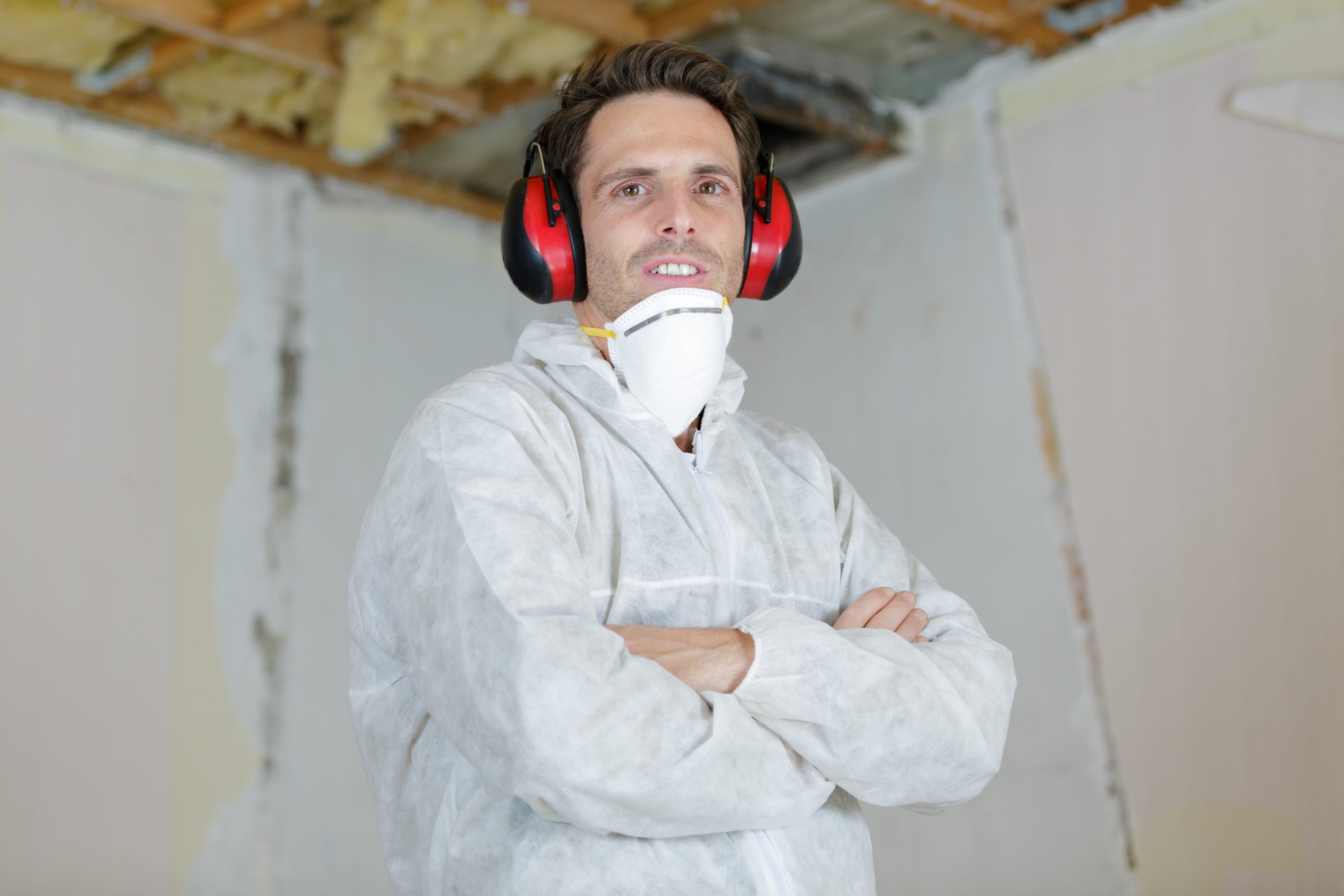
If you own or manage an older property in NSW and have concerns about licensed asbestos removal NSW residential, the best path forward is to always use licensed professionals who adhere to the SafeWork NSW Code of Practice.
This article explains the safest methods for asbestos removal in NSW homes, how to protect family members and visitors, and what to expect from planning through to disposal.
Read on to understand safe residential asbestos removal.
What are the safest methods for asbestos removal in NSW homes?
The safest way to deal with suspected asbestos is to engage a licensed asbestos removalist who follows the SafeWork NSW Code of Practice and uses negative-pressure containment, wet removal techniques, and certified air monitoring. This approach minimises fibre release, protects occupants, and ensures lawful disposal at a licensed facility.
Why licensed removal is the safest option for residential properties
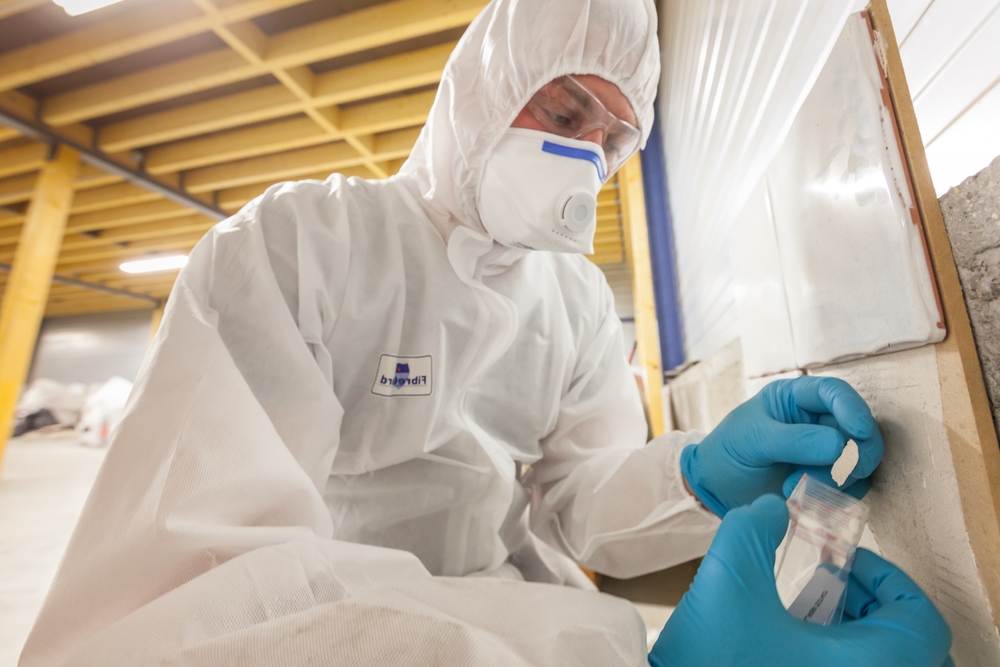
A licensed removalist will manage risk through controlled work areas, Personal Protective Equipment, and decontamination units.
For you and your family, this means a much lower risk of exposure and a clear paper trail for compliance and insurance.
What safety controls protect family members during removal
Safety controls focus on keeping people away from the work zone and preventing fibre migration through the home. The goal is simple: no dust, no shortcuts, no re-entry until clearance.
- The work area is sealed off with plastic sheeting.
- A decontamination unit is set up to establish clean/dirty zones.
- Access is restricted to essential workers only.
What risks do family members and visitors face if asbestos is disturbed?
Disturbing asbestos can release microscopic fibres that, when inhaled, can cause serious long-term health issues. There is no known safe exposure level, which is why prevention and professional controls are critical.
- Airborne fibres can settle on surfaces and be re-launched by movement.
- Your pets and children are at the greatest risk due to their proximity to floors and play areas.
- DIY or uncontrolled removal increases the risk of household contamination.
Which health conditions are linked to asbestos exposure?
Asbestos exposure is associated with asbestosis, lung cancer, and mesothelioma, often appearing decades after exposure. Protecting households today prevents disease tomorrow.
What are the legal requirements for asbestos removal in NSW homes?
NSW law requires licensed-only removal for friable asbestos and any non-friable job over 10 square metres. WorkCover must be notified, and all work must follow the Code of Practice.
- Homeowners may remove up to 10 square metres of non-friable asbestos themselves, but it is not recommended.
- Friable asbestos may only ever be removed by a licensed professional.
- Waste must be taken to a licensed landfill for disposal.
- Penalties apply for illegal dumping and non-compliant removal.
What are the rules for DIY removal in NSW?
DIY removal is limited and high-risk. Strict safety steps are mandatory, and many homeowners still choose licensed removal for safety and peace of mind.
- Only non-friable asbestos under 10 square metres.
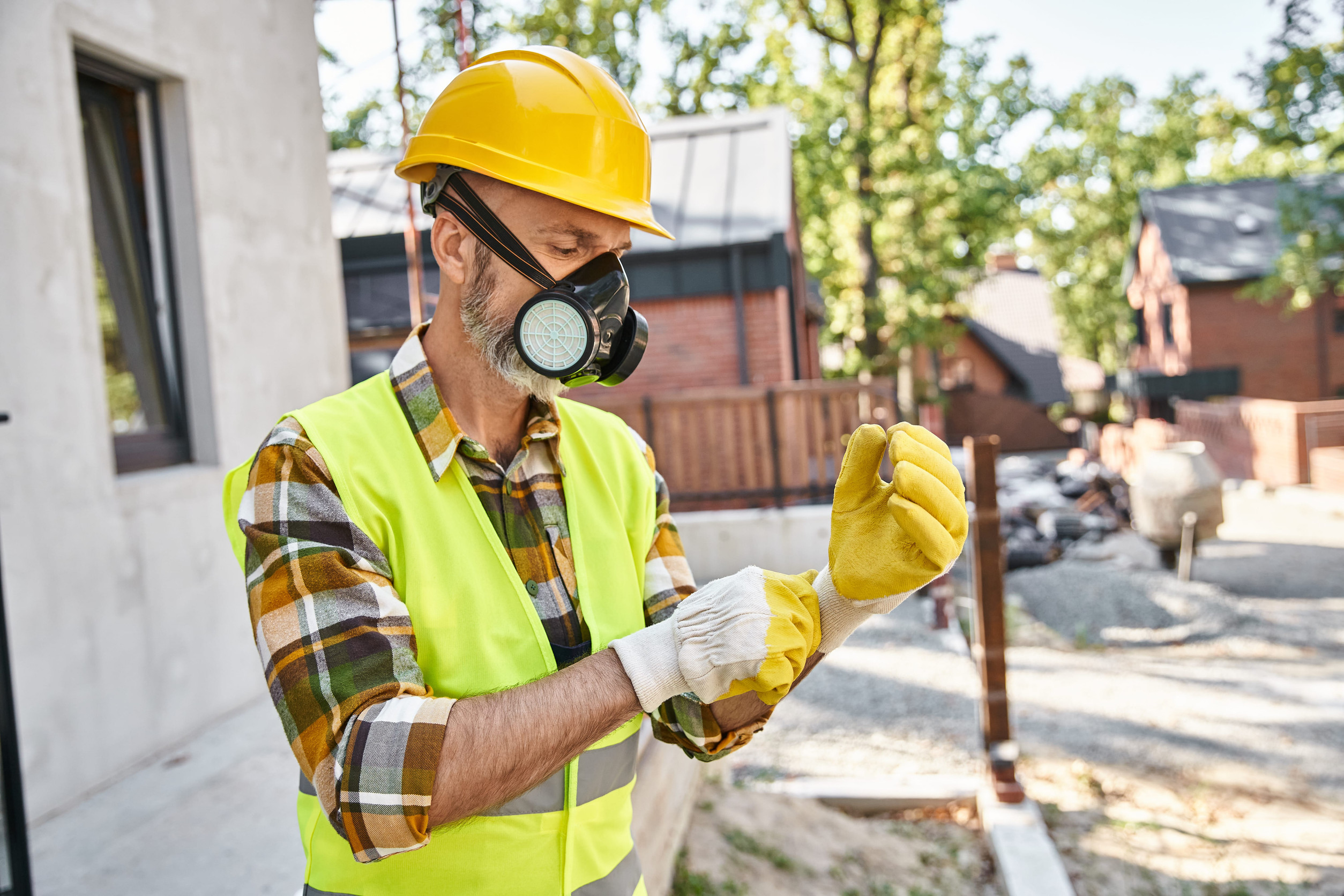
- Use P2 respirators, disposable coveralls, and gloves.
- Keep materials wet and avoid breaking them.
- Double-wrap waste, label it, and take it to a licensed facility.
What documentation must be kept after removal?
Documentation proves compliance and supports future property transactions. Keep all reports, certificates, and disposal receipts.
- Asbestos assessment report and removal plan.
- WorkCover notification reference.
- Clearance certificate and air monitoring results.
- Waste transport and landfill dockets.
How should asbestos waste be transported and disposed of safely in NSW?
Asbestos waste must be double-wrapped in 0.2mm plastic, clearly labelled, and transported to a licensed landfill that accepts asbestos. Illegal dumping is dangerous and unlawful.
Which landfills accept asbestos waste in the Wollongong region?
Only licensed facilities can accept asbestos. Contact the site in advance to confirm acceptance rules, fees, and operating hours.
- Regional waste facilities in the Illawarra area may accept asbestos by appointment.
- Some councils direct residents to specific depots.
- Commercial loads may require pre-approval and manifests.
Frequently Asked Questions
Can I remove asbestos myself in NSW?
You can remove up to 10 square metres of non-friable asbestos as a homeowner, but it is not recommended. Friable asbestos may only ever be removed by a licensed professional.
How long does residential asbestos removal take?
Most standard jobs take one to two days, depending on access, quantity, and containment requirements. Clearance testing may add several hours.
Do I need to move out during asbestos removal?
Occupants should vacate the work area and ideally the property during active removal. Re-entry is only permitted after clearance is issued.
What PPE is required for asbestos removal?
At minimum, a P2 respirator, disposable coveralls, gloves, and eye protection are required. Licensed crews use higher-grade respiratory protection and full decontamination units.
How do I know the area is safe after removal?
An independent licensed assessor conducts a visual inspection and air monitoring. A clearance certificate is issued only when the area meets safety standards.
Our Asbestos Removal Services in Wollongong
Wollongong Asbestos Removal is the locals’ choice for residential asbestos removal, serving Wollongong and the surrounding suburbs.
We always use the safest methods for asbestos removal in NSW homes, with proper waste disposal in full compliance with local authority regulations.
If you need a straightforward, safety-first approach for your home, contact us today for a no-obligation assessment and quote.



Leave A Comment