
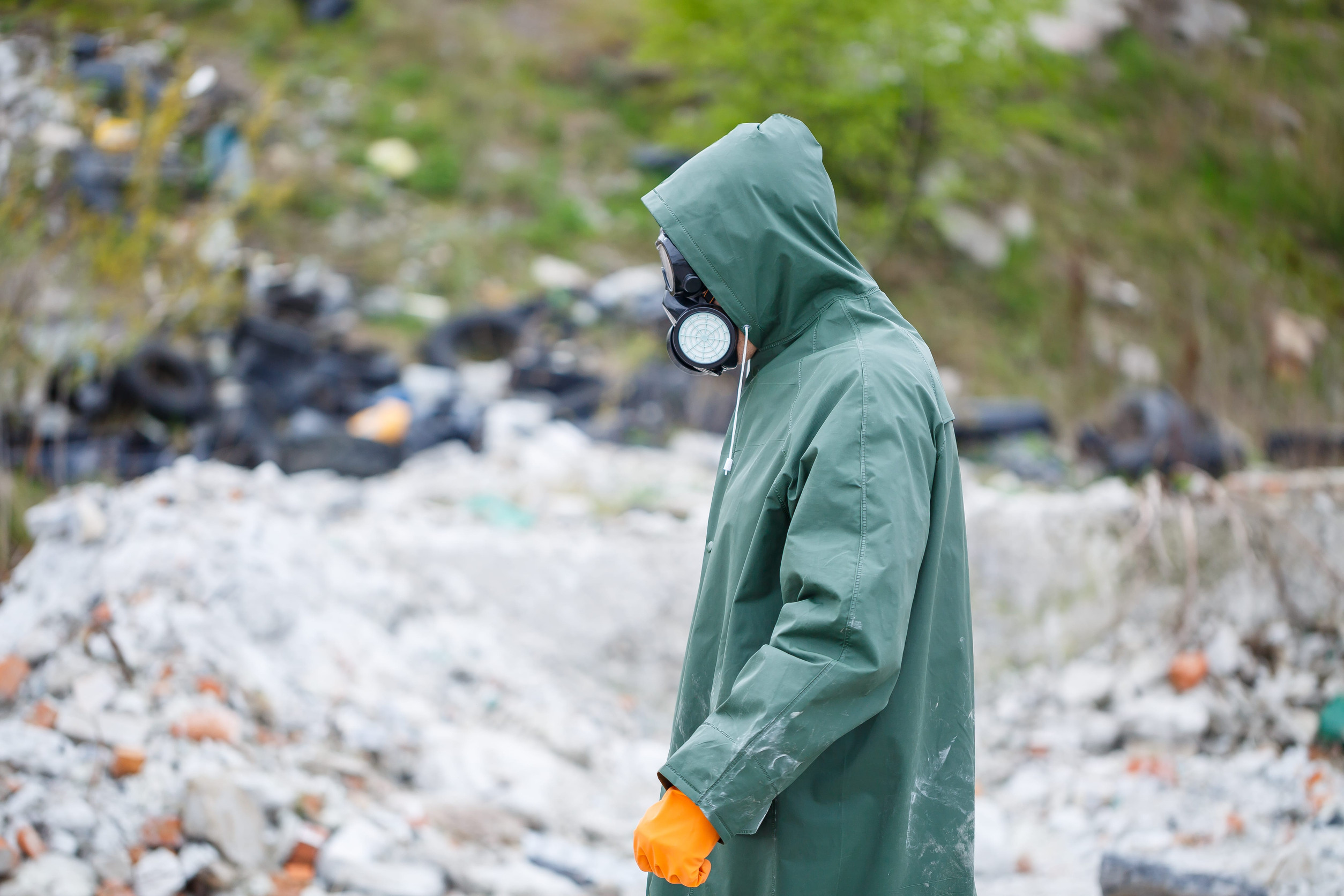
Are you considering removing a small amount of asbestos from your property? It might seem straightforward enough, but asbestos disposal, even in small quantities, is one of those tasks that carries real legal obligations and serious health risks for you and anybody else in or near the building.
This article will describe what every homeowner, property manager, and tradesperson needs to understand about safe, legal asbestos disposal Wollongong.
What Is Asbestos and Why Is It Still a Problem in Wollongong?
Asbestos was a common construction material in Australia from the 1940s through to the early 1980s. It was valued for its fire resistance, durability, and low cost.
- Properties built or renovated before 1990 are likely to contain asbestos-containing materials (ACMs)
- Common locations include wall sheeting, roof tiles, eave linings, floor tiles, drainage pipes, and insulation
- The use and import of all asbestos products was banned in Australia on 31 December 2003
Asbestos is still present in many older homes across Wollongong, Shellharbour, Kiama, Dapto, and across the Illawarra region. Drilling or even hand pressure can disturb these materials and release fibres into the air.
What Are the Two Types of Asbestos?
The type of asbestos present on your property is critical, as the rules for removal and disposal differ significantly.
- Non-friable (or bonded) asbestos: Hard, solid material with fibres bound into a matrix. Unlikely to release fibres unless cut, drilled, or broken.
- Friable asbestos: Soft, crumbly material that can release fibres simply by being touched or disturbed. Considered to be the most dangerous type.
Why Is Any Amount of Asbestos Dangerous?
The official position of NSW Health, SafeWork NSW, and the NSW EPA is that there is no safe level of asbestos exposure. Any exposure can make you seriously ill and even kill you.
When asbestos-containing material is disturbed, microscopic fibres can become airborne and easily inhaled, where they can become permanently lodged in lung tissue.
What Diseases Are Caused by Asbestos Exposure?
Exposure to asbestos fibres is linked to serious, life-threatening conditions, including mesothelioma, asbestosis, lung cancer and pleural disease. The symptoms often don’t appear for decades, and they can result in breathing difficulties and death.
There is no cure for mesothelioma. There is no minimum safe threshold of exposure. Even a brief, one-off encounter with airborne asbestos fibres carries risk.
Who Is at Risk?
The risks extend beyond the person handling the material:
- Family members and household occupants are at risk of inhaling airborne fibres
- Neighbouring properties can be contaminated if fibres become airborne outdoors
- Workers, including tradespeople who arrive after the fact, may disturb residual contamination without knowing it
- The broader community is at risk when asbestos waste is dumped illegally, placed in general waste bins, or left unsealed
Can I Dispose of a Small Amount of Asbestos Myself in NSW?
This is one of the most common questions asked, and the answer requires careful qualification. In NSW, a homeowner can legally remove and dispose of up to 10 square metres of bonded asbestos from their own property.
However, even small amount asbestos removal NSW carries huge health risks for you and others.
However, the following conditions apply:
- The asbestos must be non-friable. Any amount of friable asbestos may only ever be removed by a Class A licensed professional, regardless of the quantity.
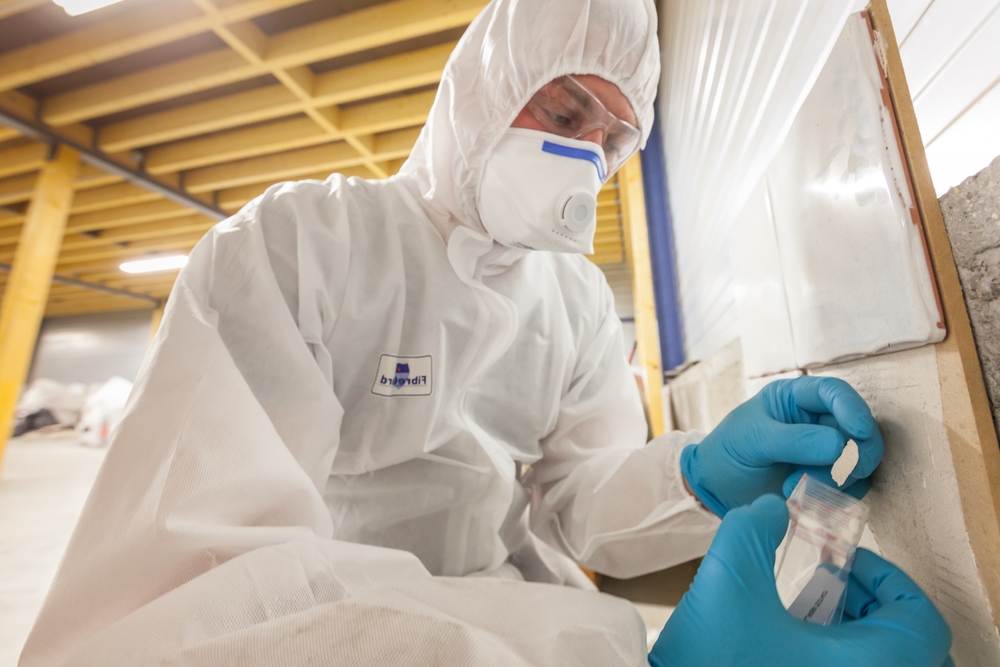
- You must follow the SafeWork NSW Code of Practice for asbestos removal, including the use of appropriate personal protective equipment (PPE).
- The material must be sealed, labelled and taken to a licensed disposal facility.
- DO NOT place asbestos in a household bin, council kerbside collection, or take it to Wollongong City Council’s waste disposal depot.
Even if self-removal is legal, there are significant health risks. It is recommended that all asbestos removal be carried out by a licensed professional.
What Is the 10 Square Metre Rule?
The 10m² rule is a common reference point in NSW asbestos legislation, but it is often misunderstood.
- 10m² is roughly equivalent to a single small bathroom wall, or a 5 metre by 2 metre panel
- This limit applies to non-friable asbestos only
- Exceeding this threshold, or handling any friable asbestos at all, requires a Class B or Class A licensed removalist, respectively
- Loads of more than 10m² or 100kg of asbestos waste must also be tracked using the NSW EPA’s WasteLocate system
What Are the Legal Rules for Asbestos Disposal in NSW?
Asbestos disposal in NSW is regulated by
Work Health and Safety Regulations and the Protection of the Environment Operations (Waste) Regulation 2014.
Key legal requirements include:
- Asbestos waste may only be disposed of at a licensed landfill facility that is approved to accept asbestos waste
- Non-friable asbestos must be securely wrapped and sealed in heavy-duty polythene sheeting or bags before transport
- Friable asbestos must be sealed
- The waste material must be labelled before transport
- It is illegal to dump asbestos, place it in household bins, or take it to facilities not licensed to accept it
- Loads exceeding 10m² or 100kg must be tracked via the EPA’s WasteLocate online system
Where Can You Take Asbestos Waste in the Wollongong Area?
Accredited disposal facilities for small amounts of asbestos in the Wollongong and Illawarra region include:
- The Affective Group, North Wollongong: Accepts safely wrapped household asbestos waste at their head office. Pricing and booking details are available by phone.
- Shellharbour City Council disposal service: Available to residents of Shellharbour and Kiama LGAs. Applications must be lodged with the council prior to any removal work.
- NSW EPA licensed landfills: The EPA maintains a searchable list of licensed facilities that accept household asbestos waste at epa.nsw.gov.au
- P&D Envirotech: A local facility. Contact them directly to confirm pricing and requirements.
Note: Wollongong City Council’s waste disposal depot does not accept asbestos.
Why Is DIY Asbestos Disposal Unwise, Even for Small Amounts?
The legal threshold of 10m² for homeowner removal is a minimum and is definitely not a recommendation.
Consider these realities:
- You cannot visually confirm whether a material is friable or non-friable without testing
- Improper packaging during transport can release fibres into your vehicle, your clothing, and any space the material passes through
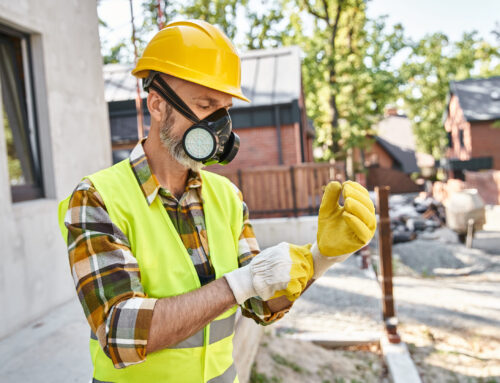
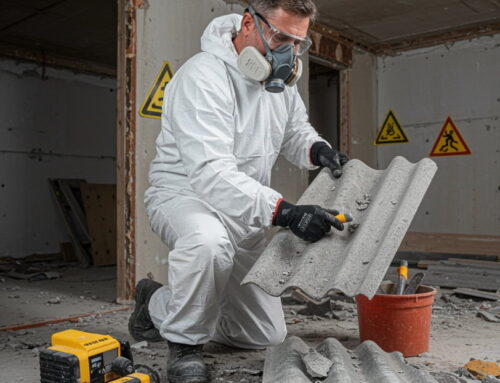
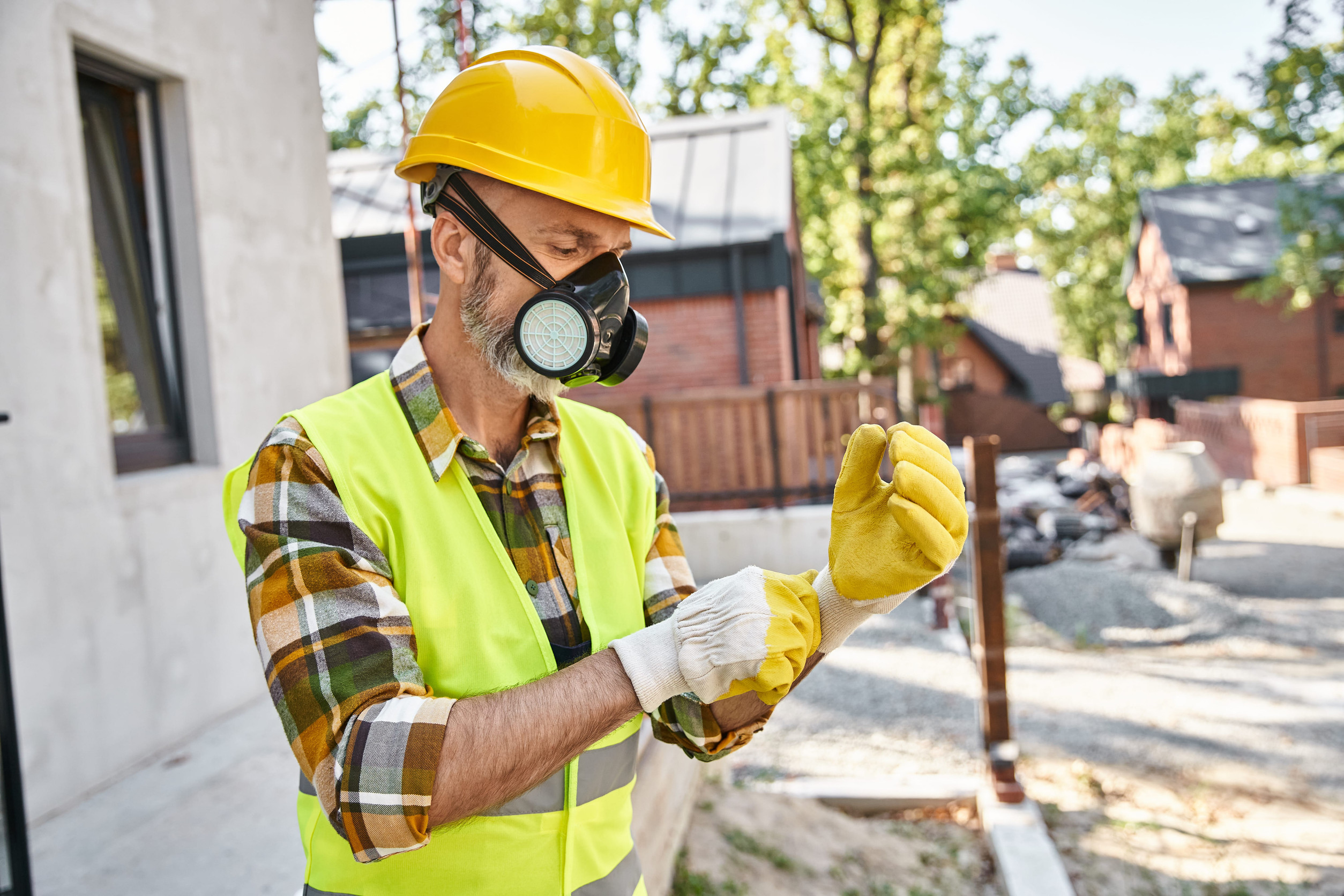
- Without proper PPE, including a P2 or higher-rated respirator, protective coveralls, and gloves, the risk of fibre inhalation is significant
- If the material breaks during handling, what started as a “small job” can quickly become a much larger contamination event
- You have no way to confirm the area is fibre-free after removal without air monitoring equipment
A licensed asbestos removalist has the training, equipment, PPE, and legal authority to handle the entire process safely and in compliance, from removal through to certified disposal.
Asbestos Disposal: Frequently Asked Questions
Can I put asbestos in my skip bin?
No. It is illegal to place asbestos waste in a skip bin, household garbage bin, or general construction waste disposal. Asbestos must be taken to a licensed facility that specifically accepts it.
Do I need to notify anyone before removing asbestos?
For removals exceeding 10m², the licensed removalist must notify SafeWork NSW. For smaller domestic removals, contact your local council for specific requirements.
What PPE do I need if I am legally removing a small amount myself?
At a minimum, NSW guidelines require:
- A P2 or P3 rated respirator (not a paper dust mask)
- Disposable coveralls
- Rubber gloves and disposable boot covers
- Safety goggles
How do I package asbestos for transport?
Non-friable asbestos must be double-wrapped in 200-micron polythene sheeting, sealed with heavy-duty tape, and labelled with an asbestos warning. Friable asbestos requires a sealed, rigid container. The NSW EPA website provides detailed guidance.
What does WasteLocate do?
WasteLocate is the NSW EPA’s online tracking system for asbestos waste loads exceeding 10 m² or 100kg. It generates a consignment number that tracks the waste from the point of collection to a licensed disposal facility, similar to a courier tracking system.
How We Can Help With Asbestos Disposal in Wollongong
At Wollongong Asbestos Removal, we are a locally owned and operated business serving homeowners, property managers, builders, and demolition companies across Wollongong and the wider Illawarra.
For your peace of mind, we handle every stage of the process: inspection, safe removal, correct packaging, transport, and certified asbestos disposal at a licensed facility, and we make the process straightforward and compliant.
We are approachable, friendly and professional. Get in touch with our team with your questions, an honest assessment and a free quote. We are here to help.



Leave A Comment